
Pediatric Medical Trauma Therapy
Supporting Children and Families Through Serious Illness,
Hospitalizations, and Medical Experiences
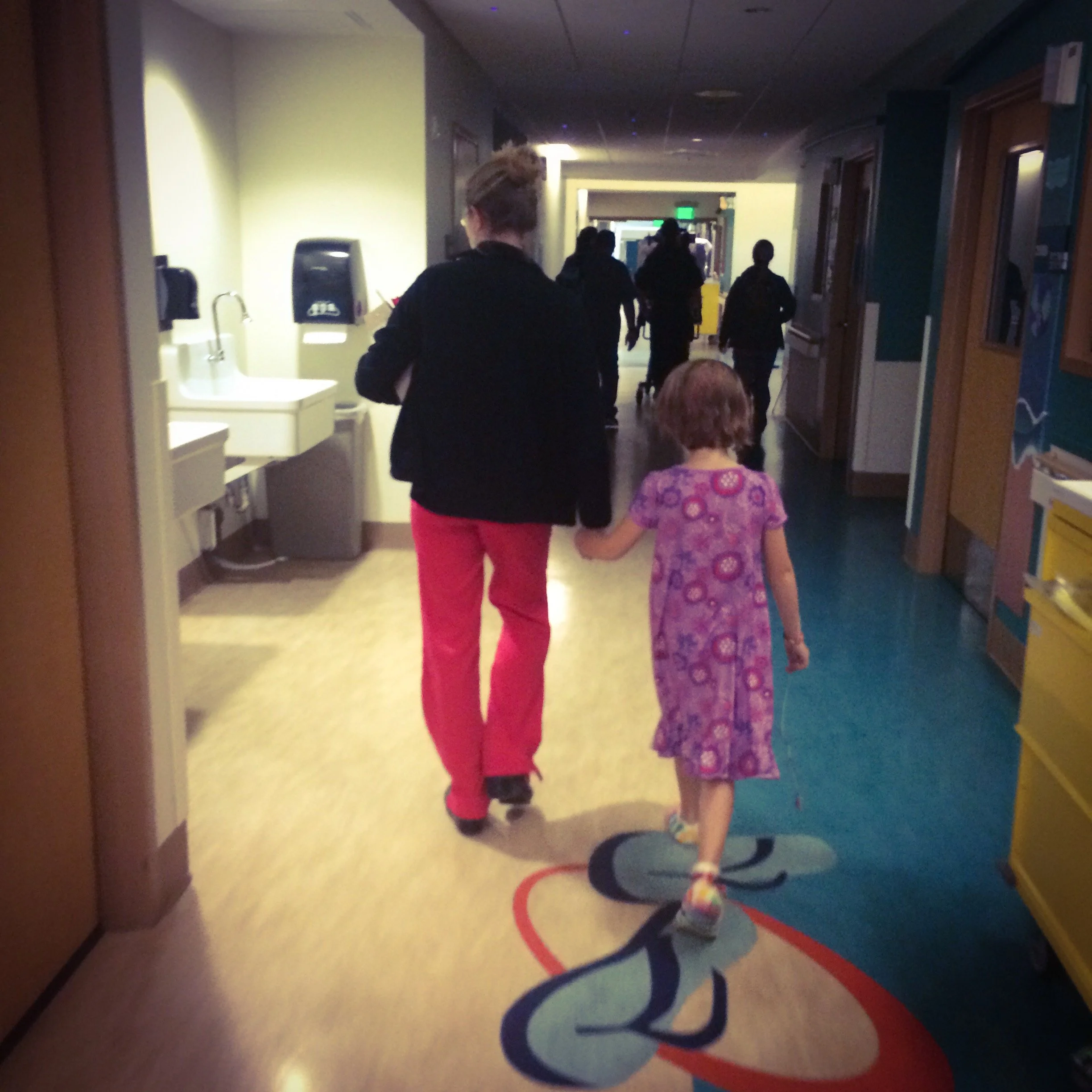
A life-changing diagnosis doesn't just affect the child.It changes the entire family.Suddenly, life revolves around appointments, scans, medications, blood draws, surgeries, waiting rooms, and conversations no parent ever imagined having. The routines that once felt ordinary disappear, replaced by uncertainty, fear, and the constant question of what comes next.Long after treatment begins, or even after it ends, the emotional impact often remains.Children may become anxious before appointments, struggle with separation, have nightmares, worry constantly about their health, or react strongly to situations that never bothered them before. Parents often find themselves carrying an invisible weight as they try to support everyone else while quietly navigating their own fears.These reactions make sense.They are human responses to experiences that asked far more of your family than anyone should ever have to carry.Therapy That Understands the Story Behind the Diagnosis
Medical trauma is different from many other experiences children face.There is often no clear beginning or end. The people causing pain are also the people trying to help. Procedures that are necessary can still feel frightening. Life may continue moving forward while your family is still trying to make sense of everything that has happened.My approach isn't focused solely on reducing anxiety or teaching coping skills (although we will do that too!)It's about helping children regain a sense of safety, predictability, confidence, and connection after life has been turned upside down.Together, we'll work to understand not only what's happening now, but how your family's experience has shaped the way your child sees themselves, their body, and the world around them.Supporting Parents, Too
When a child is seriously ill, parents are often expected to become advocates, medical coordinators, researchers, and decision-makers overnight.
It can feel isolating.
Many parents tell me they spend so much energy holding everything together that they rarely have space to process what they've been through themselves.
Parent support is woven throughout therapy because children heal best when the adults supporting them feel supported, too.
Professional & Personal Experience
For more than 13 years, I've worked alongside children, teens, and families navigating anxiety, trauma, medical challenges, and life's hardest moments.
I'm also the parent of a childhood cancer survivor.
That experience profoundly shaped both my life and the therapist I've become.
It taught me that families living through serious illness need more than reassurance. They need someone willing to sit with uncertainty, understand the emotional impact of medical experiences, and recognize that every behavior has a story behind it.
My approach
I use an integrative, developmentally informed approach that may include:
Cognitive Behavioral Therapy (CBT)
Child-Centered Play Therapy techniques
Solution-Focused Therapy
Parent coaching and caregiver support (including the SPACE anxiety method)
Trauma-informed interventions
Creative play, art, games, and activities that help children and teens express experiences that are often difficult to put into words
Every child processes medical experiences differently. Therapy is tailored to your child's developmental stage, personality, family, and unique story.
Frequently Asked Questions
Still have questions? Please reach out and let’s chat!
-
Pediatric medical trauma refers to the emotional and psychological impact that can follow serious illness, injury, hospitalization, surgeries, or ongoing medical treatment. It's important to remember that not every child experiences medical events as traumatic, and two children can have very different responses to the same diagnosis or procedure.
-
Not every child who completes cancer treatment needs therapy, but many benefit from having a space to process everything they've experienced.
Treatment often requires children to grow up much faster than expected. They may have spent months or years navigating hospital stays, procedures, medications, uncertainty, and changes to everyday life. Even after treatment ends, many families discover that the emotional impact doesn't simply disappear.
Your child doesn't have to meet criteria for PTSD to benefit from therapy. Sometimes therapy helps children adjust to life after treatment, cope with anxiety about recurrence, rebuild confidence, reconnect with peers, or simply have a place where they don't feel pressure to be brave.
-
Yes.
Hospitalizations can affect children in ways that aren't always obvious at first. Some children become fearful of medical settings, while others become more anxious at home, struggle with sleep, or worry about becoming sick again.
Therapy provides a safe place to make sense of those experiences at a pace that feels comfortable for your child. Through conversation, play, creative activities, and age-appropriate coping strategies, children can begin to process what happened while building confidence for whatever comes next.
-
Absolutely.
When one child becomes seriously ill, the entire family is affected. Siblings may experience changes in routines, time with parents, school life, family roles, and their overall sense of stability.
Some siblings worry constantly about their brother or sister. Others feel guilty for being healthy, anxious about becoming sick themselves, or uncertain about expressing their own emotions because they don't want to create additional stress for their parents.
-
When families find me, they're often looking for more than someone who understands anxiety or trauma. They're looking for someone who understands how serious illness changes a child's world—and how those changes continue long after appointments become less frequent.
My approach goes beyond symptom management. Together, we'll explore how your child's experiences have influenced their sense of safety, predictability, identity, and connection with the people around them. Those are often the places where healing begins.